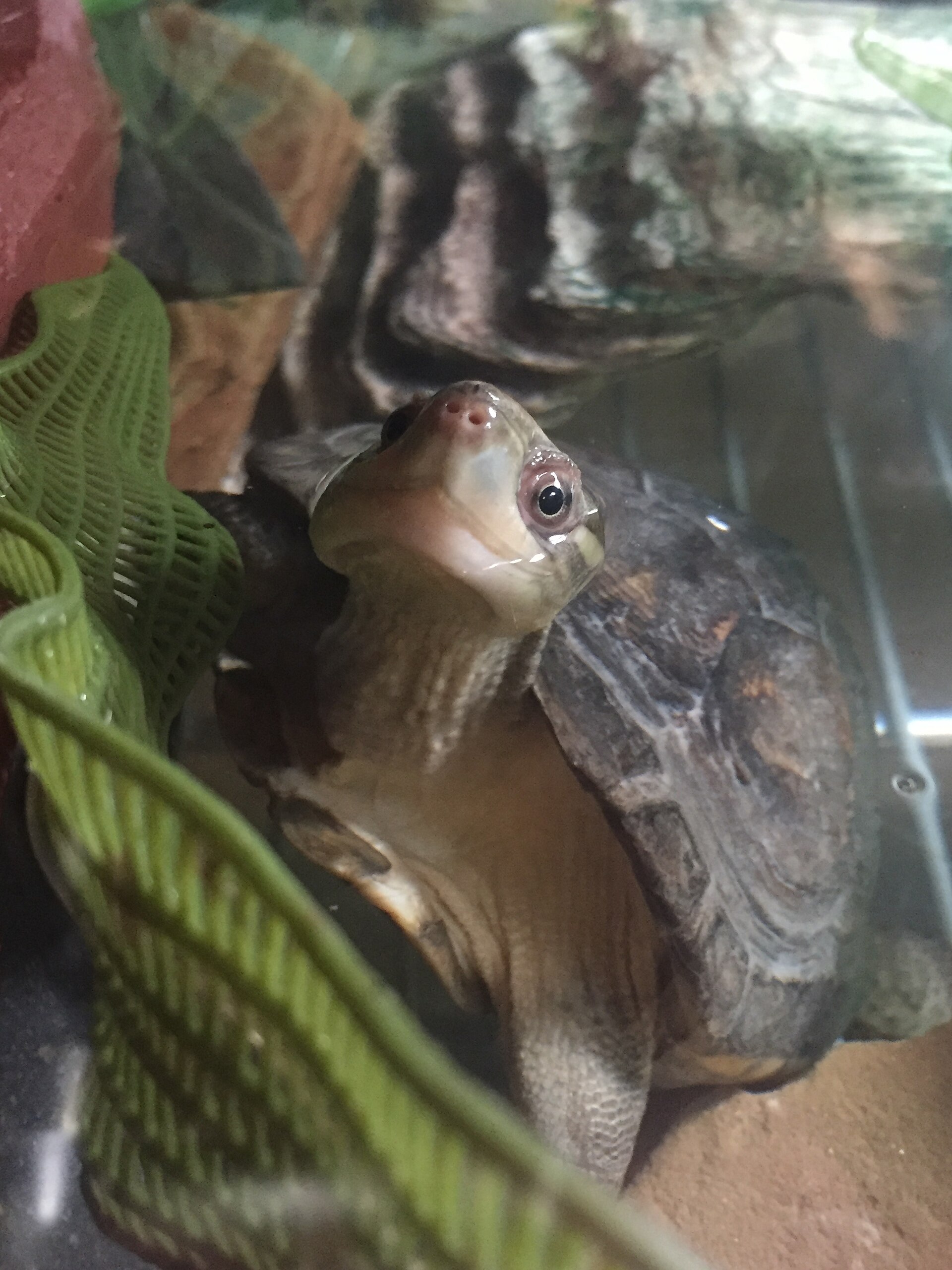
A sick turtle does not get cheaper by waiting. Reptiles hide illness until late, and VCA Hospitals’ own client guidance says the plain thing: early treatment is less expensive than treating a serious problem. If the turtle has swollen eyes, a soft shell, bubbles at the nose or has not eaten for two weeks at correct temperatures, book the visit today and read this on the way.
Why not the dog-and-cat vet
Most general practices will tell you honestly that they do not see reptiles, and that is the right answer. The Merck Veterinary Manual notes that several anaesthetic techniques used routinely in cats and dogs are not appropriate for reptiles. Turtles have a renal portal system: blood from the back legs runs through the kidneys first, so an antibiotic injected in a hind leg can be filtered out before it does anything, and a drug that is safe in a dog can wreck a turtle’s kidneys if the animal is dehydrated. A vet who does not know this cannot help you, however kind.
Ask whether the vet is a member of the Association of Reptile and Amphibian Veterinarians. VCA suggests that as the minimum qualification, and ARAV’s site has a find-a-vet search. Most cities have at least one practice that lists exotics; rural owners should expect to drive.
What the visit includes
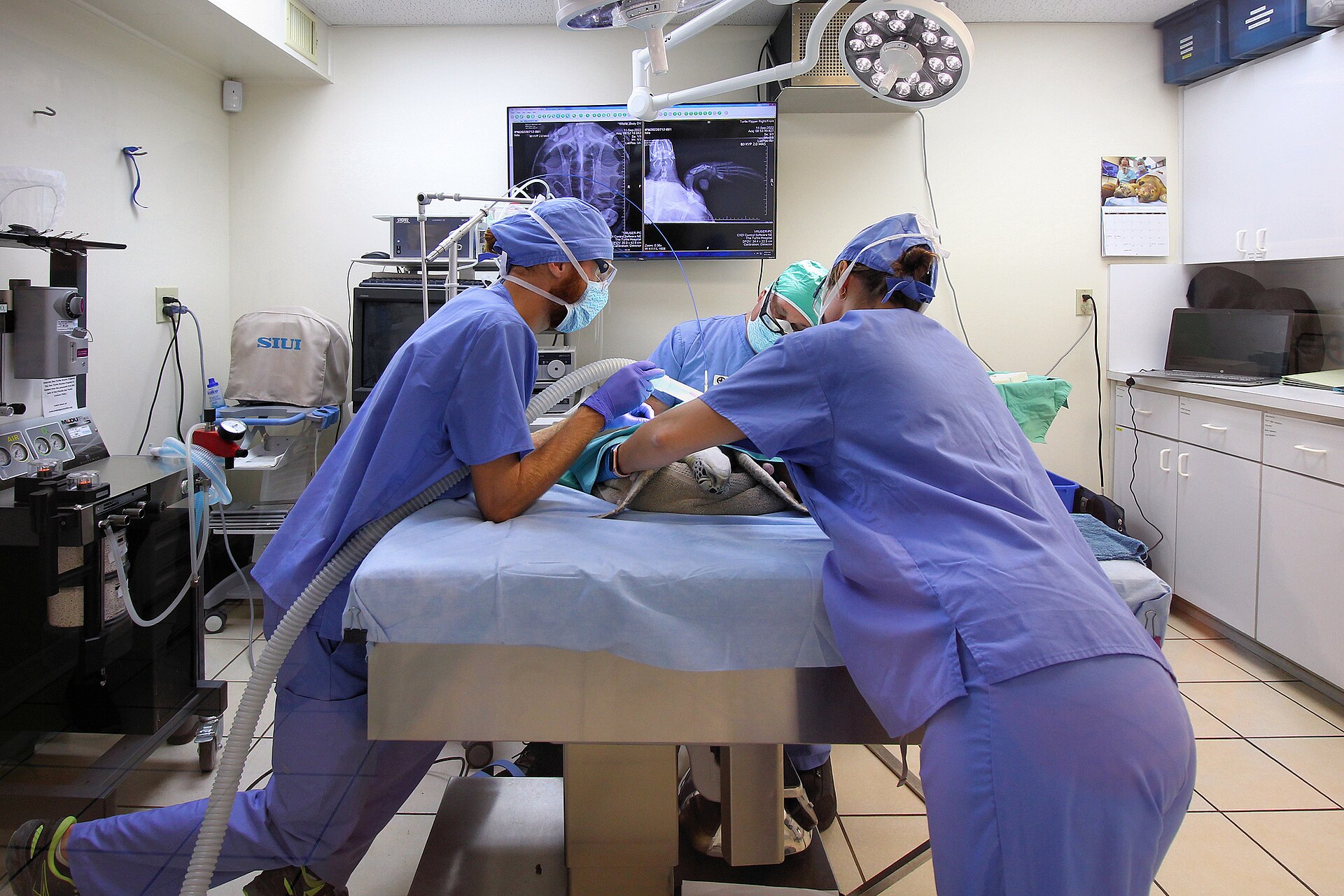
VCA’s description of a first reptile visit and an annual one runs like this.
- A physical exam: weight, mobility, the mouth, eyes and nostrils, the shell, and palpation of the body cavity just in front of the back legs for eggs, stones or masses. A large tortoise or a bitey turtle may need a short sedation for the mouth exam or a blood draw.
- A fecal exam under the microscope for worms and protozoa. Bring a fresh stool sample in a bag; it saves a second visit.
- Bloodwork when the vet suspects more than a husbandry problem: a complete blood count and a chemistry panel for kidney and liver values, calcium, phosphorus and glucose.
- X-rays for a suspected egg binding, bladder stone, pneumonia or metabolic bone disease. Two views, usually without sedation.
- A long talk about tank size, temperatures and diet. For most turtles this is the treatment.
What the pieces cost
Clinics set their own fees and few publish them, so treat these as the floor. The numbers below are published 2026 fees from a university veterinary laboratory and a university teaching hospital, which is roughly what your clinic pays before adding its own handling and margin.
| Item | Published fee | Source |
|---|---|---|
| Fecal flotation for parasites | $37 | Virginia Tech Animal Laboratory Services, 2026 |
| Complete blood count | $88 | Virginia Tech Animal Laboratory Services, 2026 |
| Chemistry profile | $97 | Virginia Tech Animal Laboratory Services, 2026 |
| Radiographic study, with report | $65 | LSU Veterinary Teaching Hospital |
Expect the clinic’s price for each to be higher, and expect the exam fee itself, which no one publishes, to be the largest single line. Exotics exams run longer than a dog’s and are priced that way. Sedation, injectable antibiotics, fluids and a culture of an abscess are each a separate charge. A straightforward first visit with a fecal is usually under the price of a canister filter. A respiratory infection with X-rays, bloodwork, a culture and two weeks of injections is a different order of money, and hospitalisation for fluids and tube feeding more again.
Call before you go and ask for the exam fee and the fecal fee over the phone. Every practice will tell you. Ask whether they want you to bring the turtle in a damp towel in a box, or in a tub of its own water, and whether to feed it first.
How often
VCA recommends a check within two weeks of buying any reptile, then at least once a year with a fecal test each time, and twice a year for some species. For a turtle with correct temperatures and UVB, that annual visit is cheap insurance: the vet weighs it, looks at the shell and finds the problem a year before you would.
Ways to spend less
- Fix the tank first. Most turtle illness is cold water, no UVB or a bad diet, and a vet will tell you so and charge you for it. Correct 90 to 95°F on the dock and 75 to 80°F in the water before the appointment, then keep the appointment anyway if the turtle is still off.
- Bring the stool sample, the bulb’s purchase date and a photo of the setup. It shortens the visit.
- Ask a veterinary teaching hospital. Many have exotics services and take appointments from the public, and their fee schedules are often published.
- Do not buy medication online instead. Antibiotic doses for reptiles are set by weight and species, and a wrong one kills.
What helps
A digital probe thermometer, because the first thing the vet asks is the basking and water temperature, and most owners do not know. A UVB 10.0 T5 HO fixture and tube, since the most expensive disease on this page, metabolic bone disease, is the one it prevents. The vet directory lists reptile vets by state.
Sources
- VCA Hospitals, Veterinary Care, New Reptile Visit
- VCA Hospitals, Annual Veterinary Visit for Reptiles
- Merck Veterinary Manual, Routine Health Care of Reptiles
- Virginia Tech Animal Laboratory Services, Tests and Fees, effective January 1, 2026
- LSU Veterinary Teaching Hospital, Diagnostic Imaging
Written from these and checked three times before publishing. Not veterinary advice; a reptile vet who can see the animal beats any page.