A pet that can outlive you.Here is how to keep it well.
Care guides, a species library and the exact gear, for turtles and tortoises only.
Find your speciesCare guides, a species library and the exact gear, for turtles and tortoises only.
Find your speciesA slider 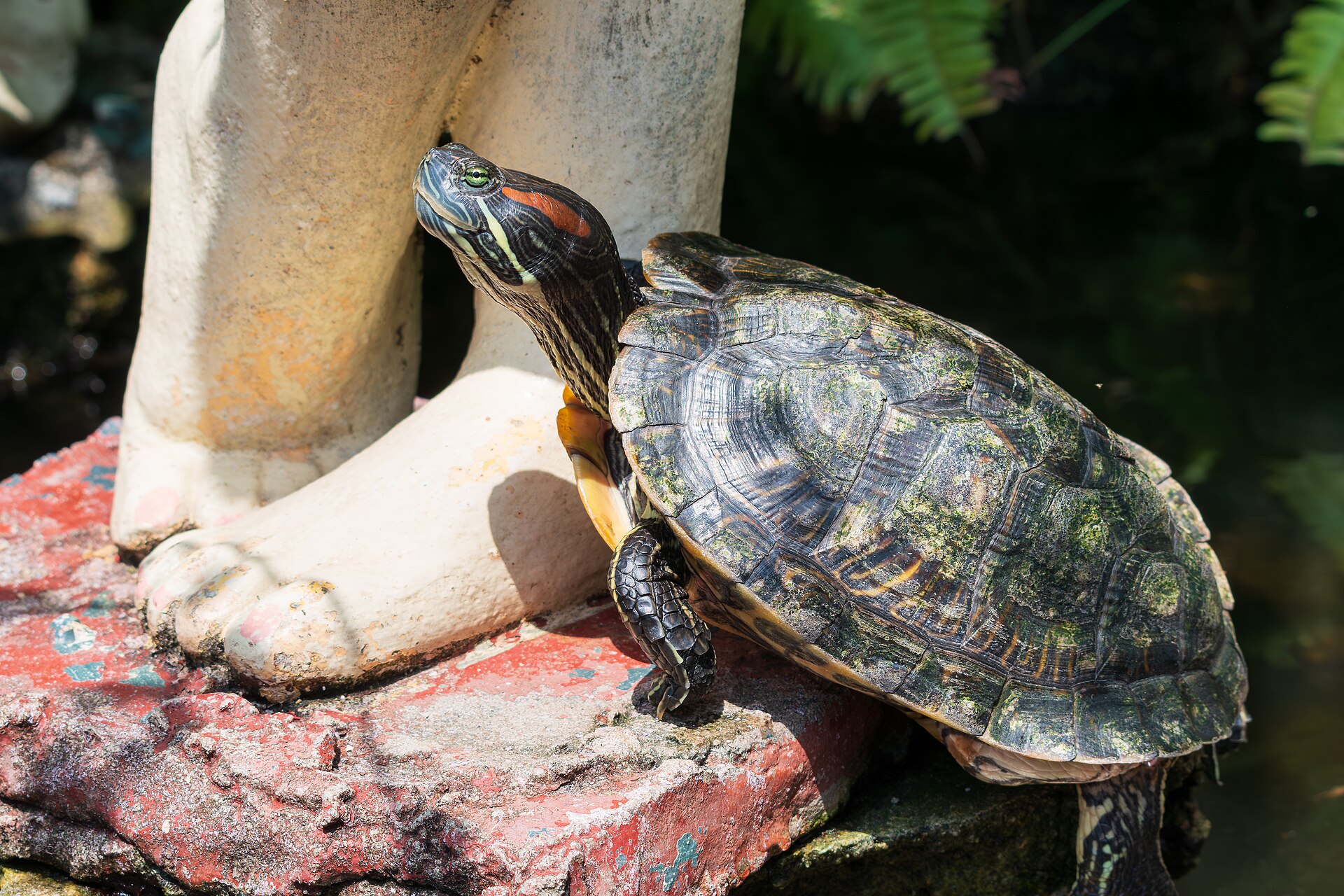 lives thirty years, a box turtle
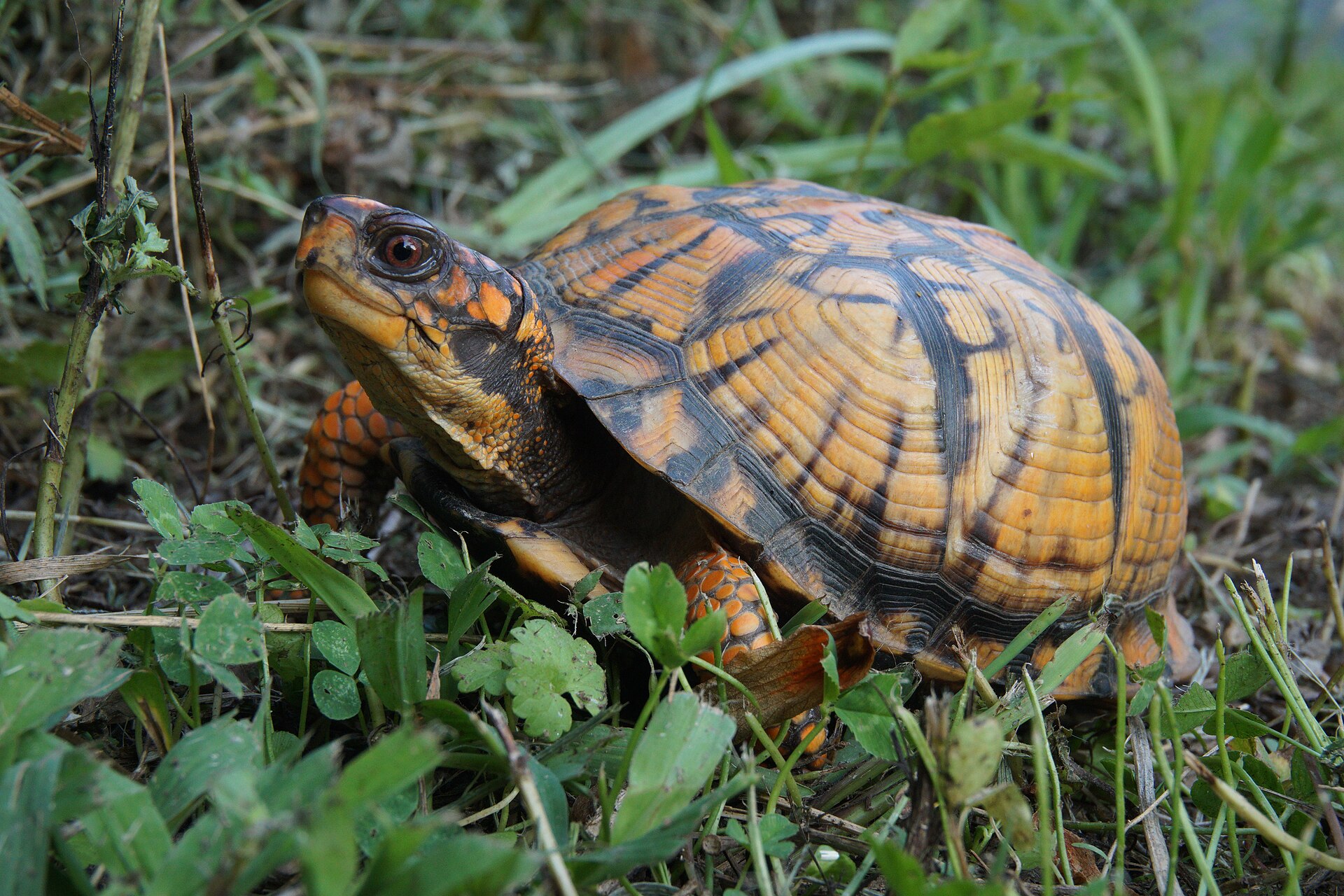 fifty and a sulcata
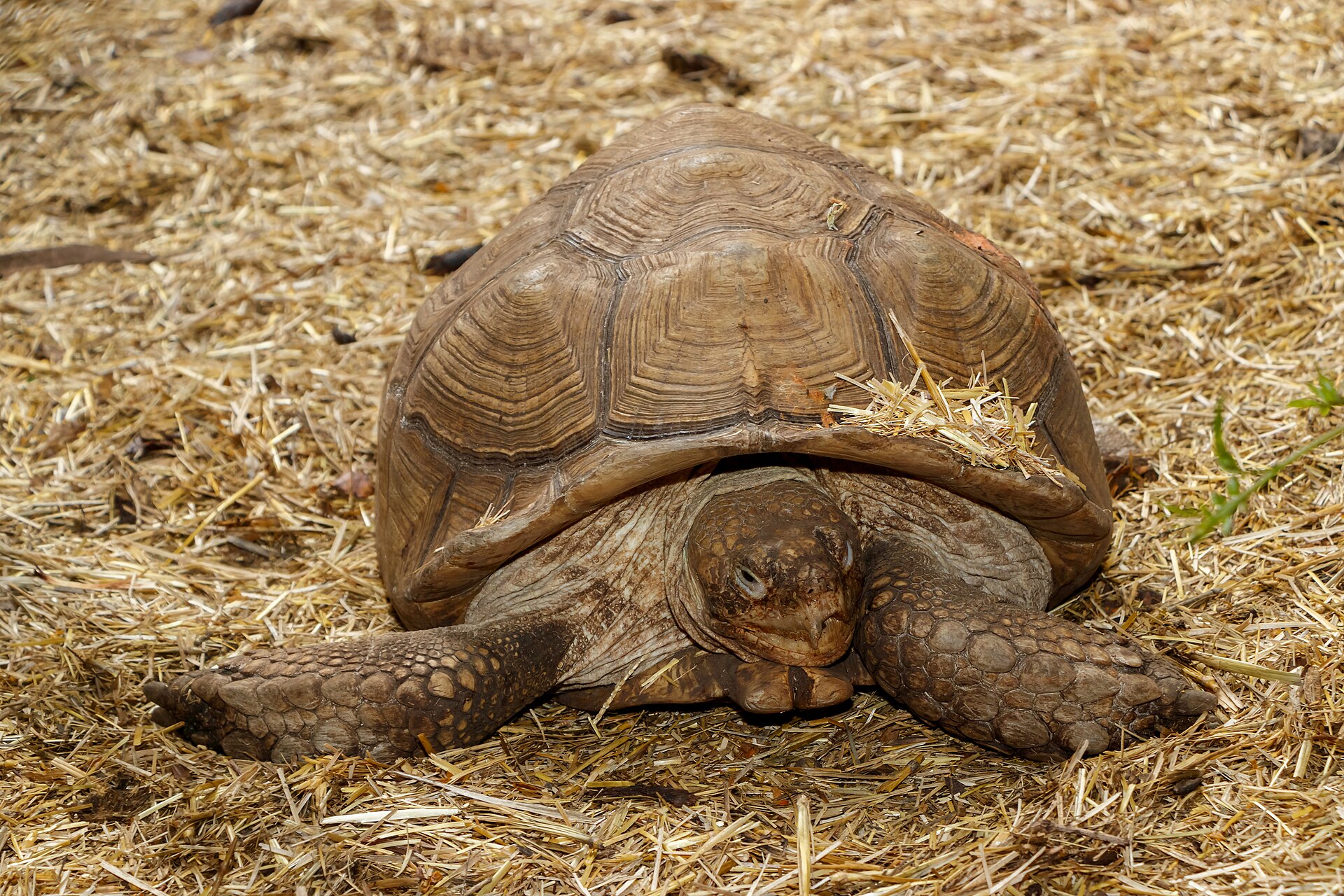 past eighty. Every guide here is written for the one you have.
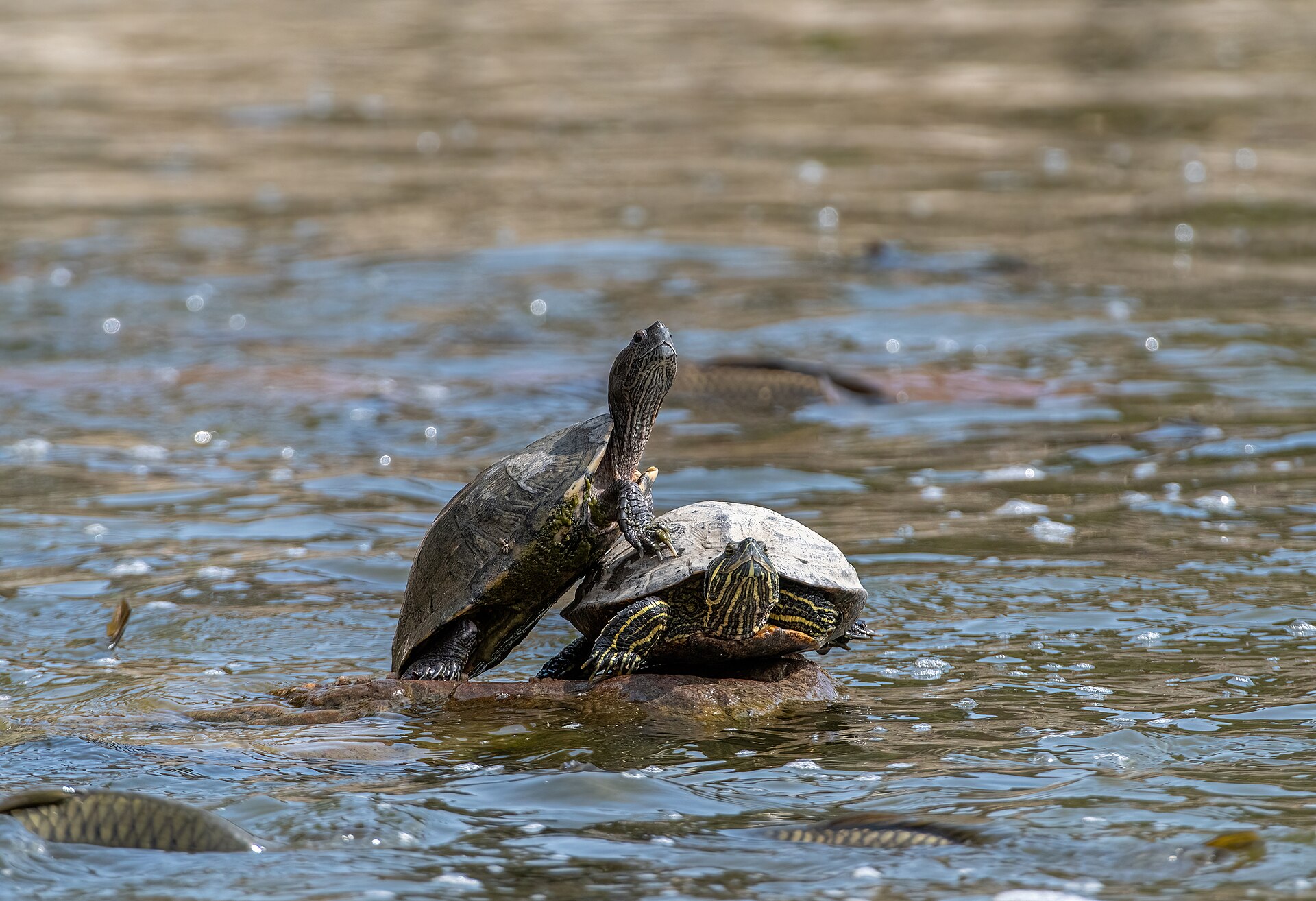
Red-eared slider8 to 12 in, 100 galThe turtle most Americans grew up with. Fast-growing, bold and messy, and far bigger as an adult than the hatchling in the store.
Plan for the 12-inch adult, not the 1-inch hatchling.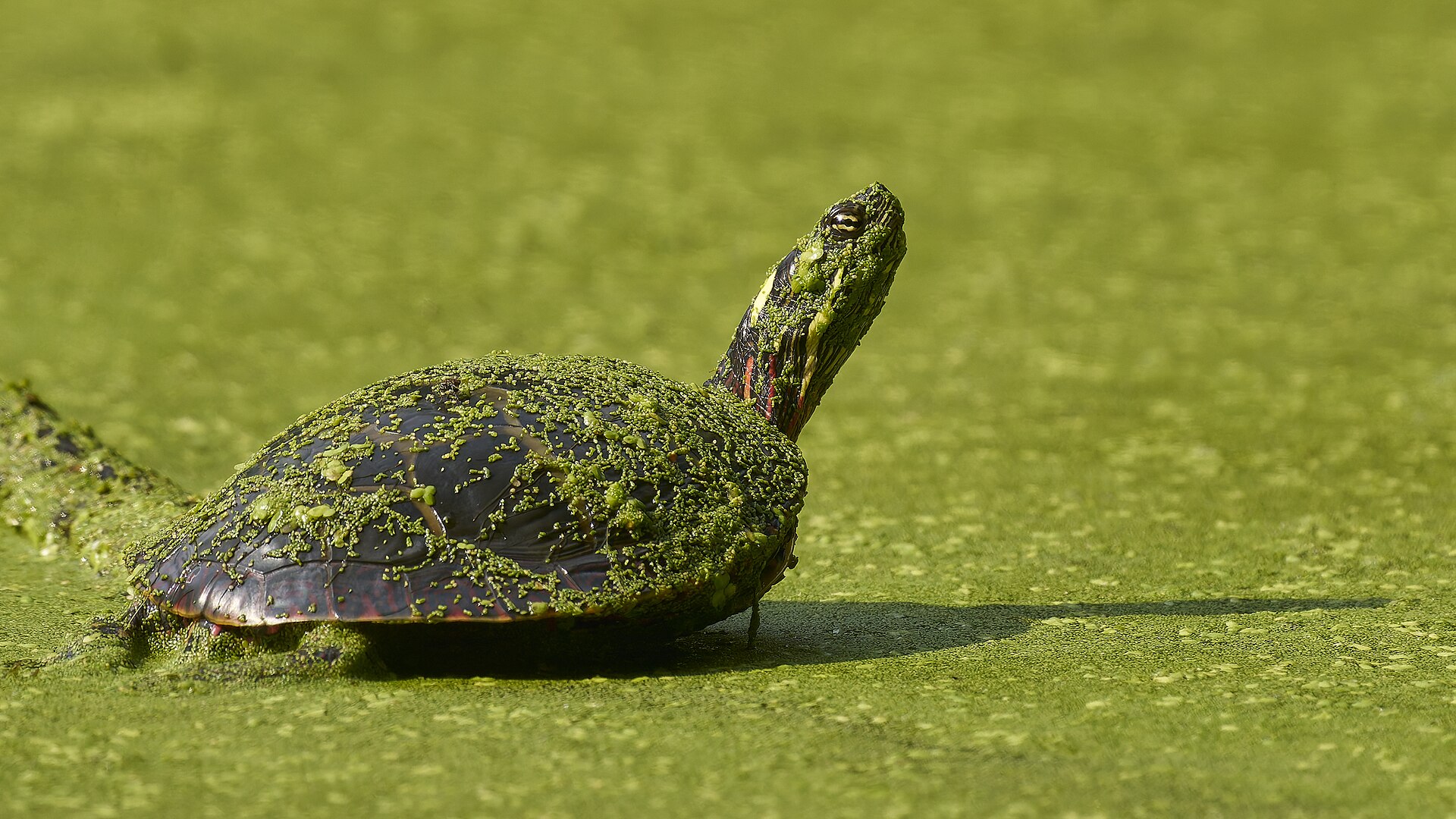 Painted turtle4 to 7 in, 75 gal
The most widespread turtle in North America, with red and yellow edge stripes. Smaller and calmer than a slider and happy in a similar setup.
Often protected in the wild. Buy captive-bred only.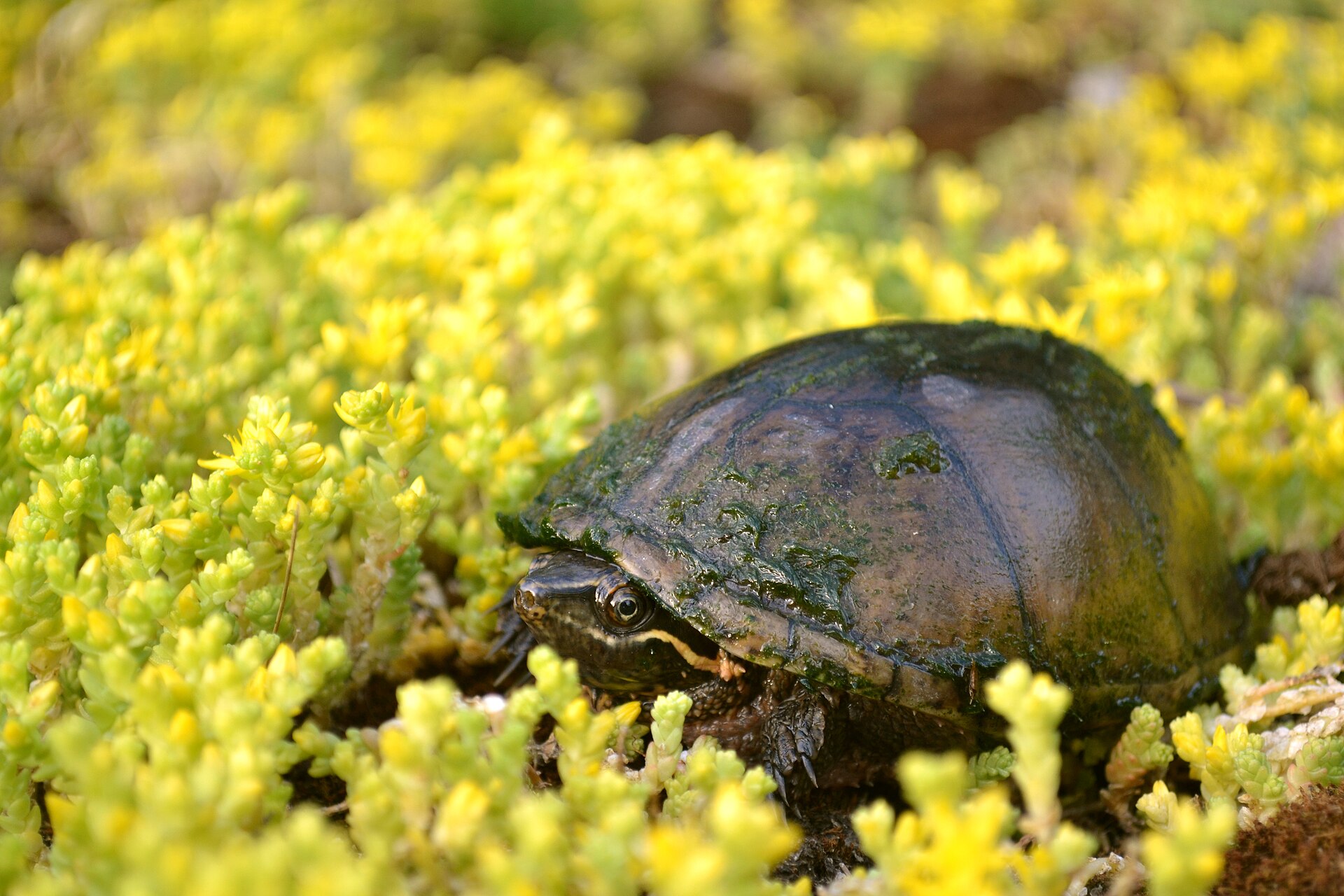 Common musk turtle3 to 5 in, 40 gal
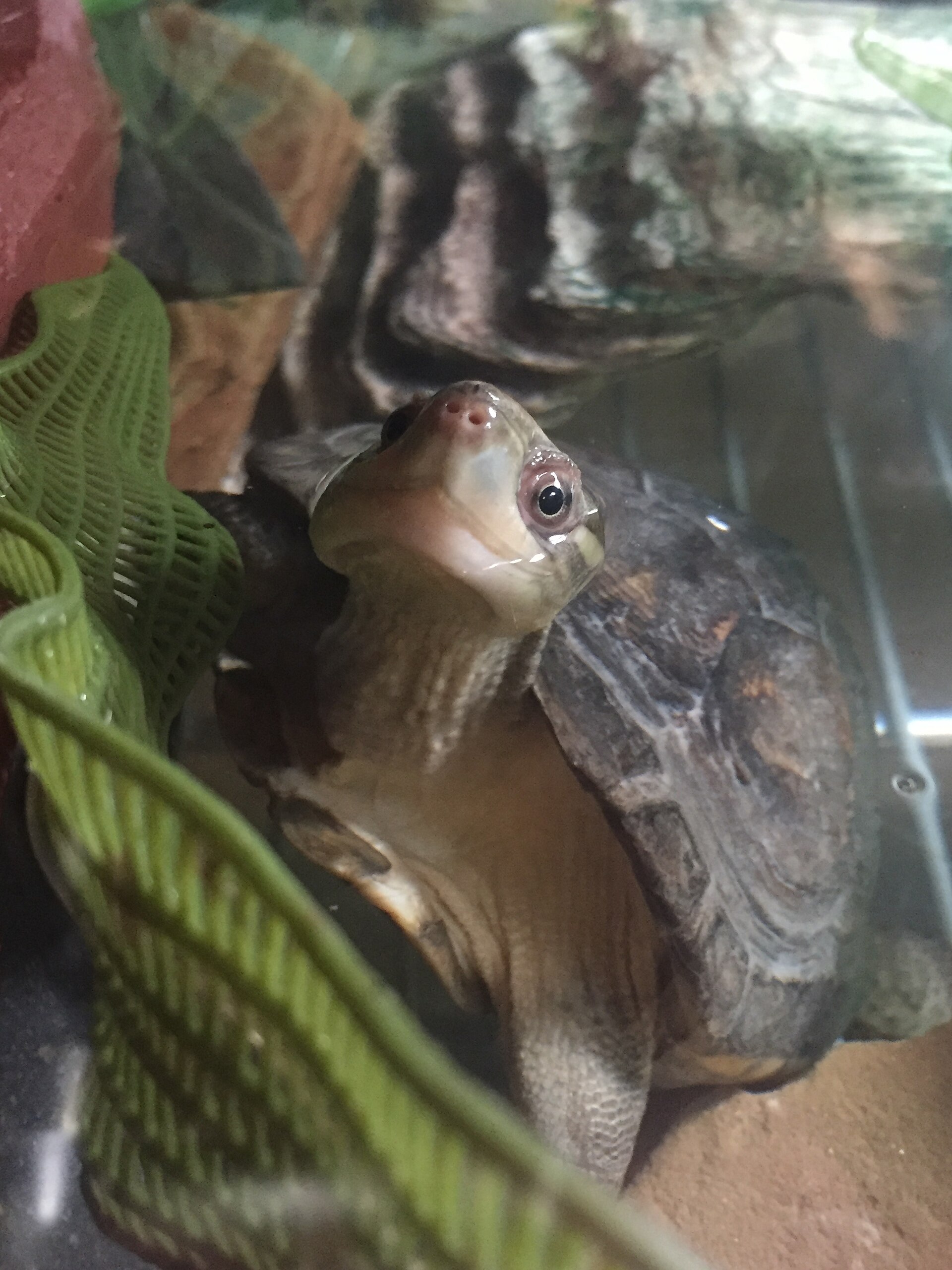
A small, dark bottom-walker also called the stinkpot. The best choice for an apartment: it stays under 5 inches and needs water it can stand up in.
Poor swimmer. Keep water shallow with ramps and ledges.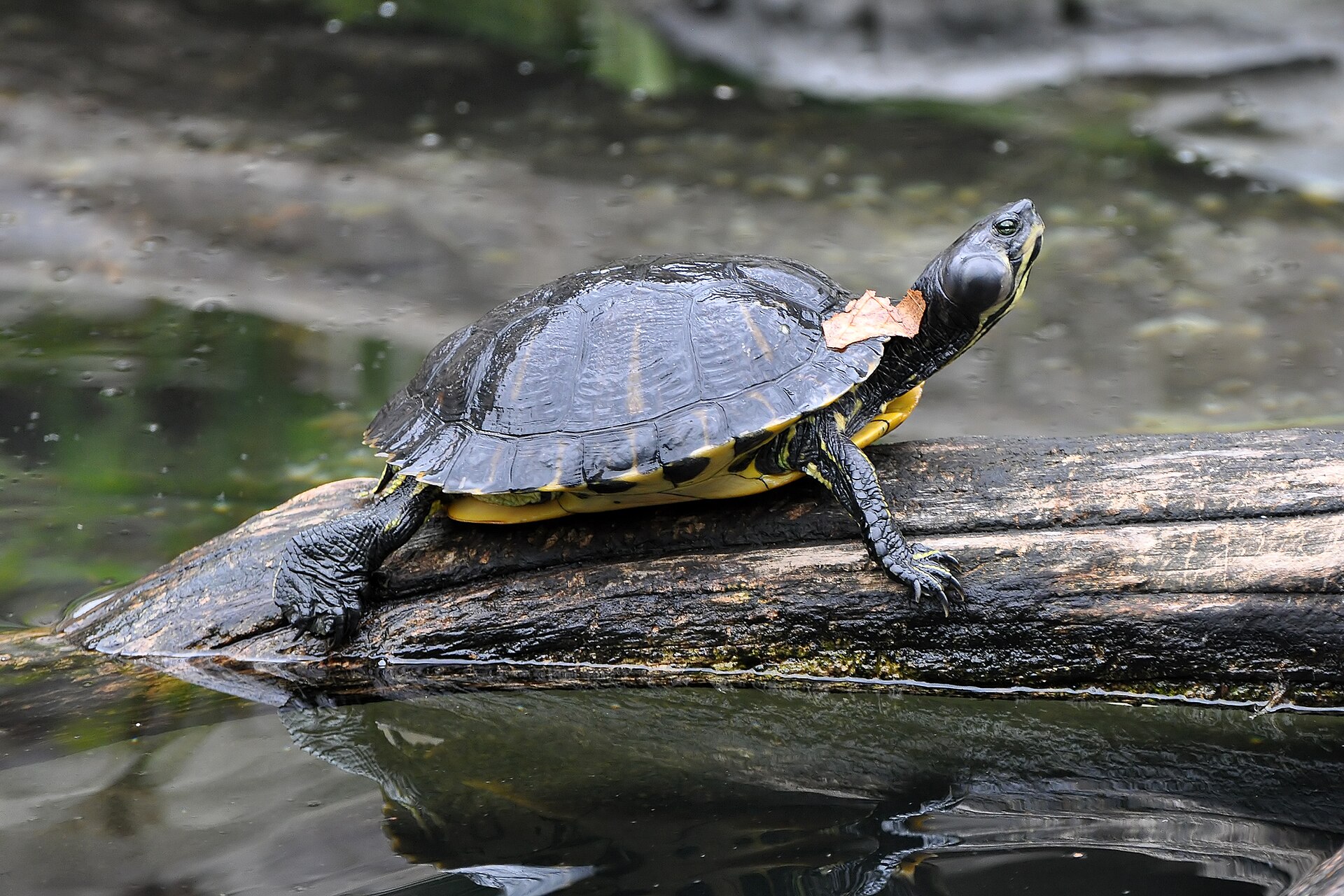 Yellow-bellied slider8 to 12 in, 100 gal
The red-eared slider's southeastern cousin with a yellow blotch behind each eye. Same size, same temperament, same big tank.
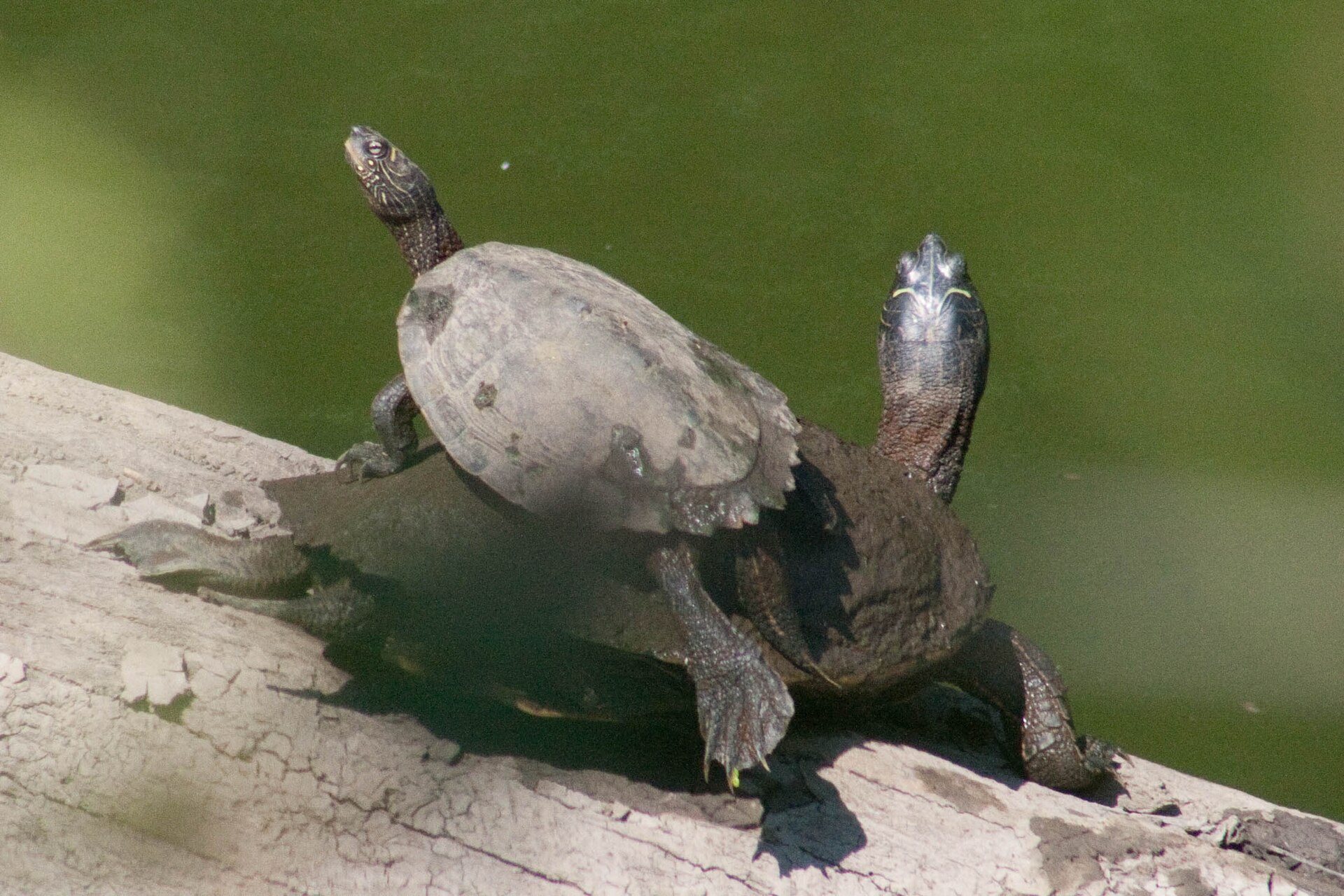
Grows just as large as a red-eared slider.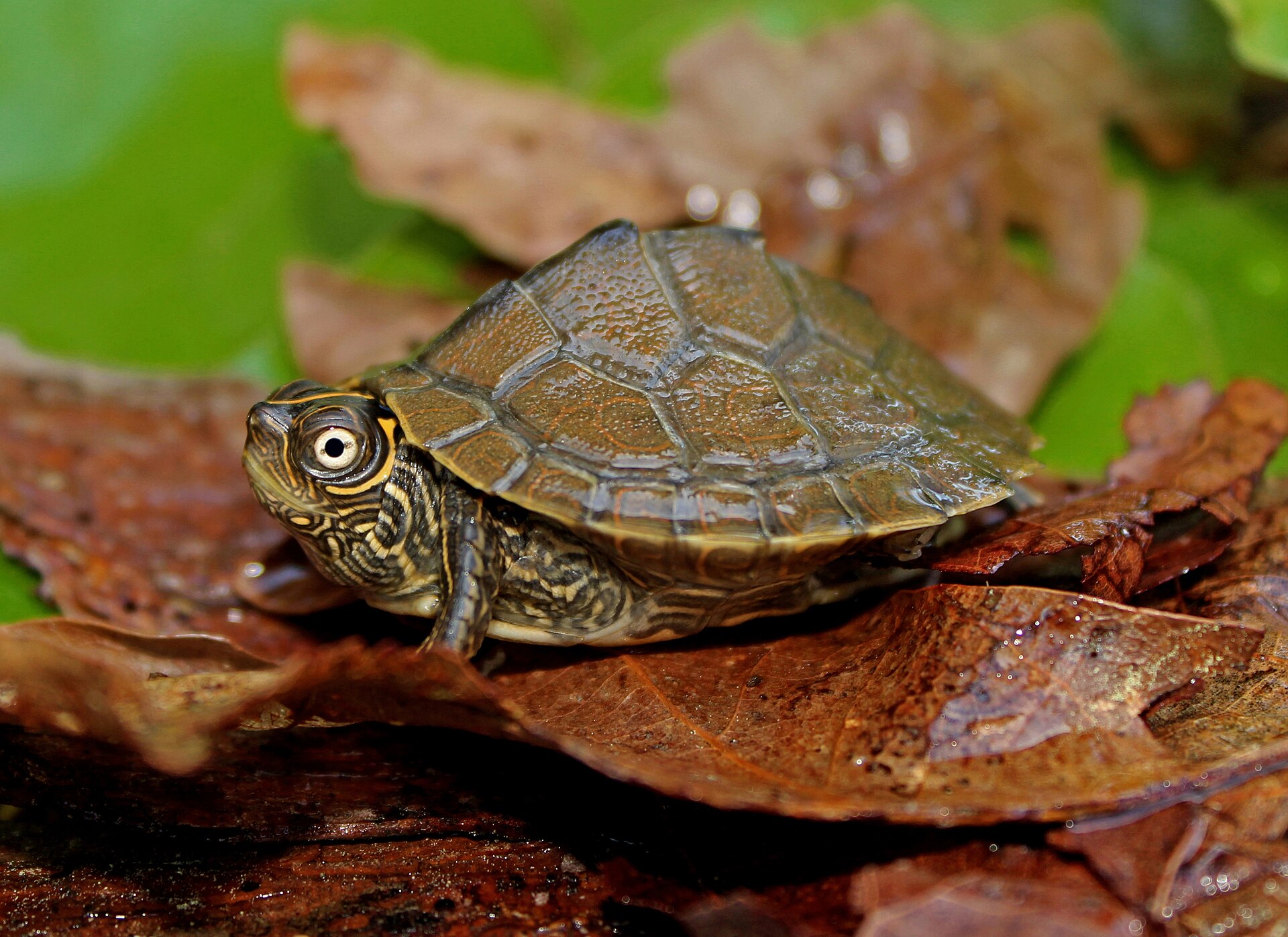 Mississippi map turtle4 to 10 in, 75 gal
A river turtle with a ridged keel and contour lines on the shell like a map. Males stay small. Females reach twice the size and need the bigger tank.
Skittish, and intolerant of dirty water.Eastern box turtle4.5 to 6 in, 4 × 2 ftA hinged-shell woodland turtle that can close itself completely. Needs humidity, hiding places and a varied diet. Lives long enough to be left in a will.
Protected in most of its range. Captive-bred only.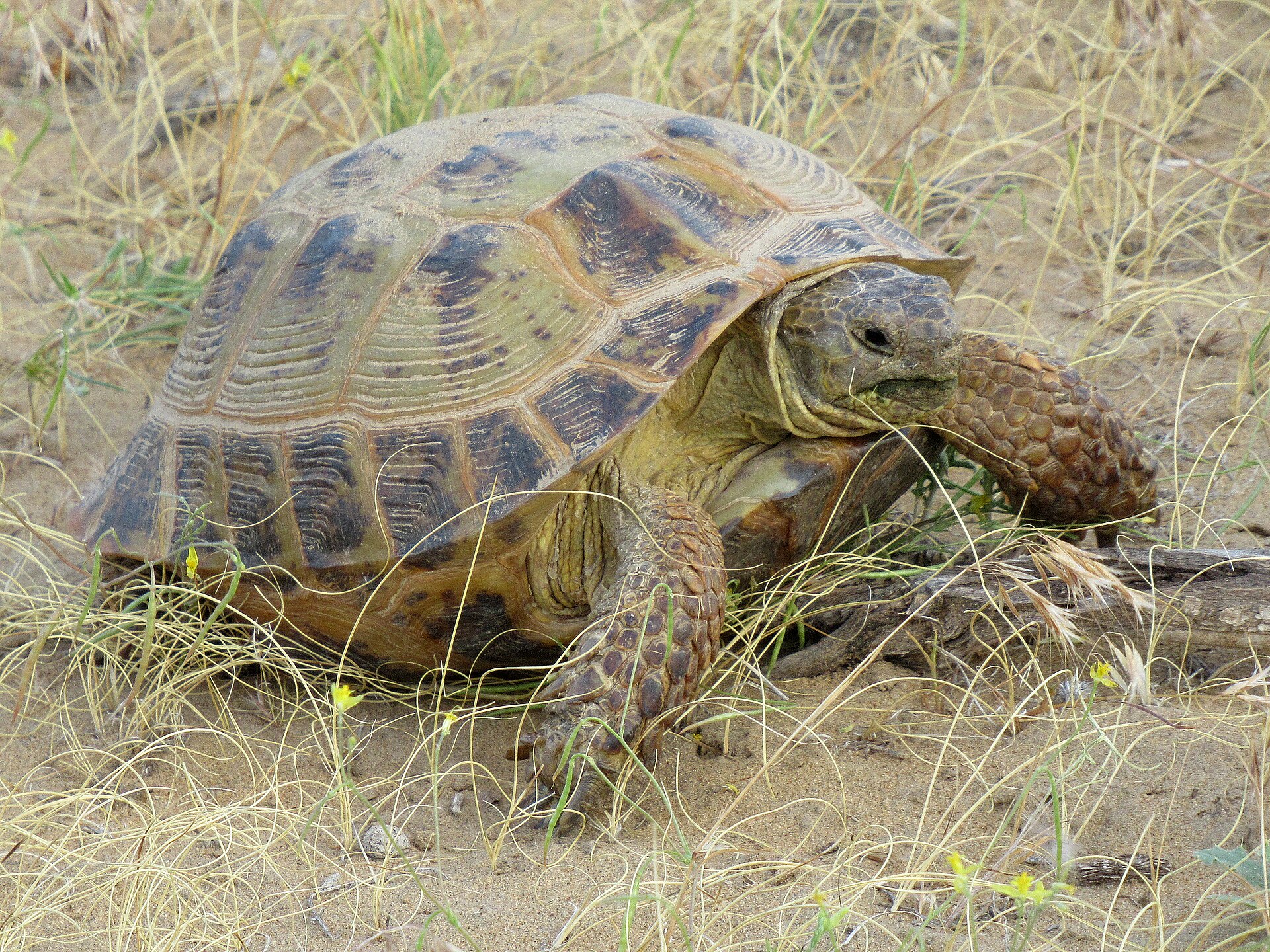 Russian tortoise5 to 8 in, 8 × 4 ft
A small, tough tortoise from the Central Asian steppe that digs, climbs and escapes. The most practical tortoise for a first keeper with space for a table.
A burrower. It will dig under any wall it can.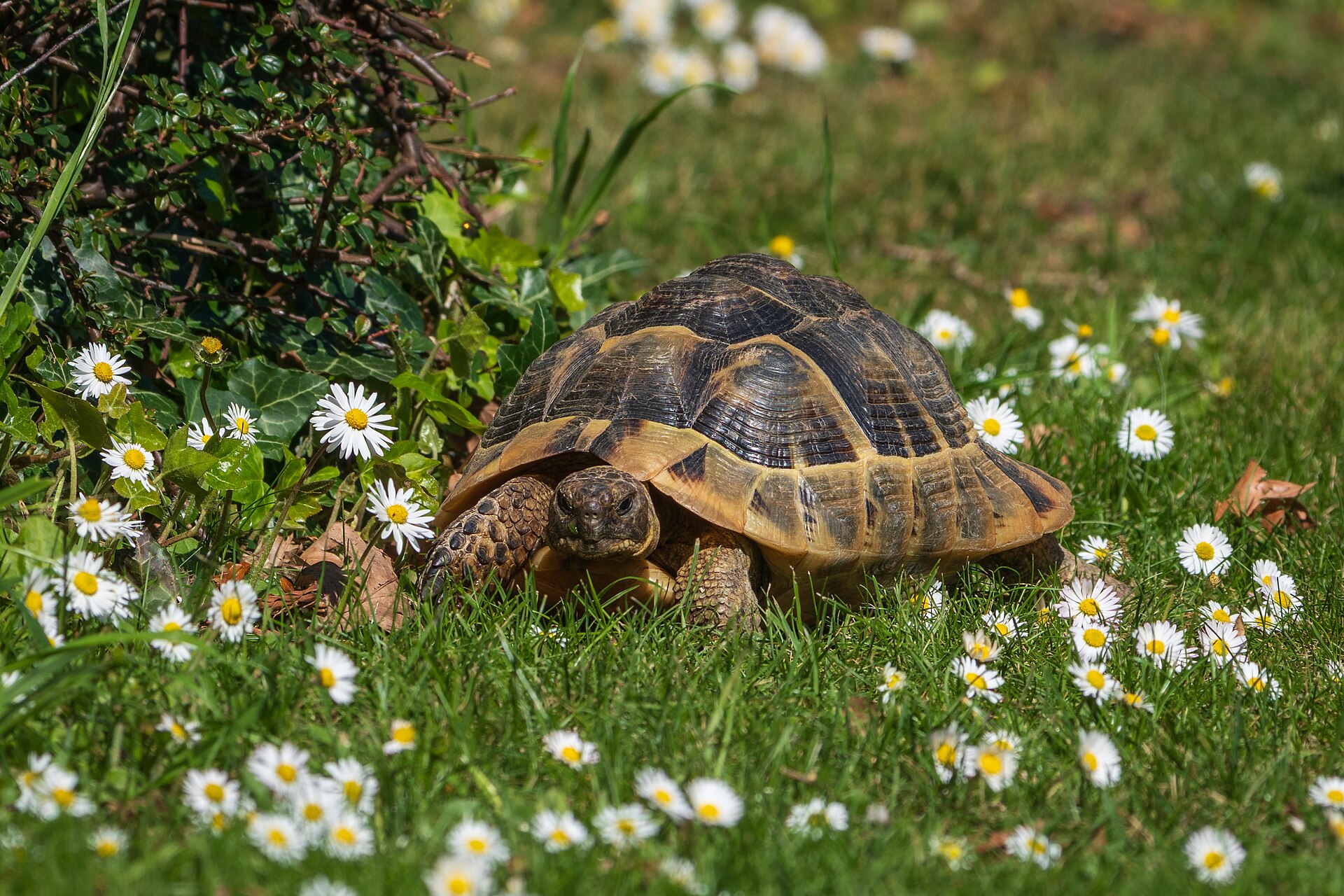 Hermann's tortoise5 to 8 in, 8 × 4 ft
A Mediterranean tortoise with a yellow and black shell, calm and curious. Grazes all day in a sunny pen and does well outdoors across the southern states.
Outlives most keepers. Have a plan.Sulcata tortoise24 to 30 in, a yardThe third-largest tortoise on earth, sold as a palm-sized hatchling. A grown sulcata weighs 100 pounds, digs tunnels and needs a yard. Most end up in rescues.
Only if you own land and a heated outbuilding.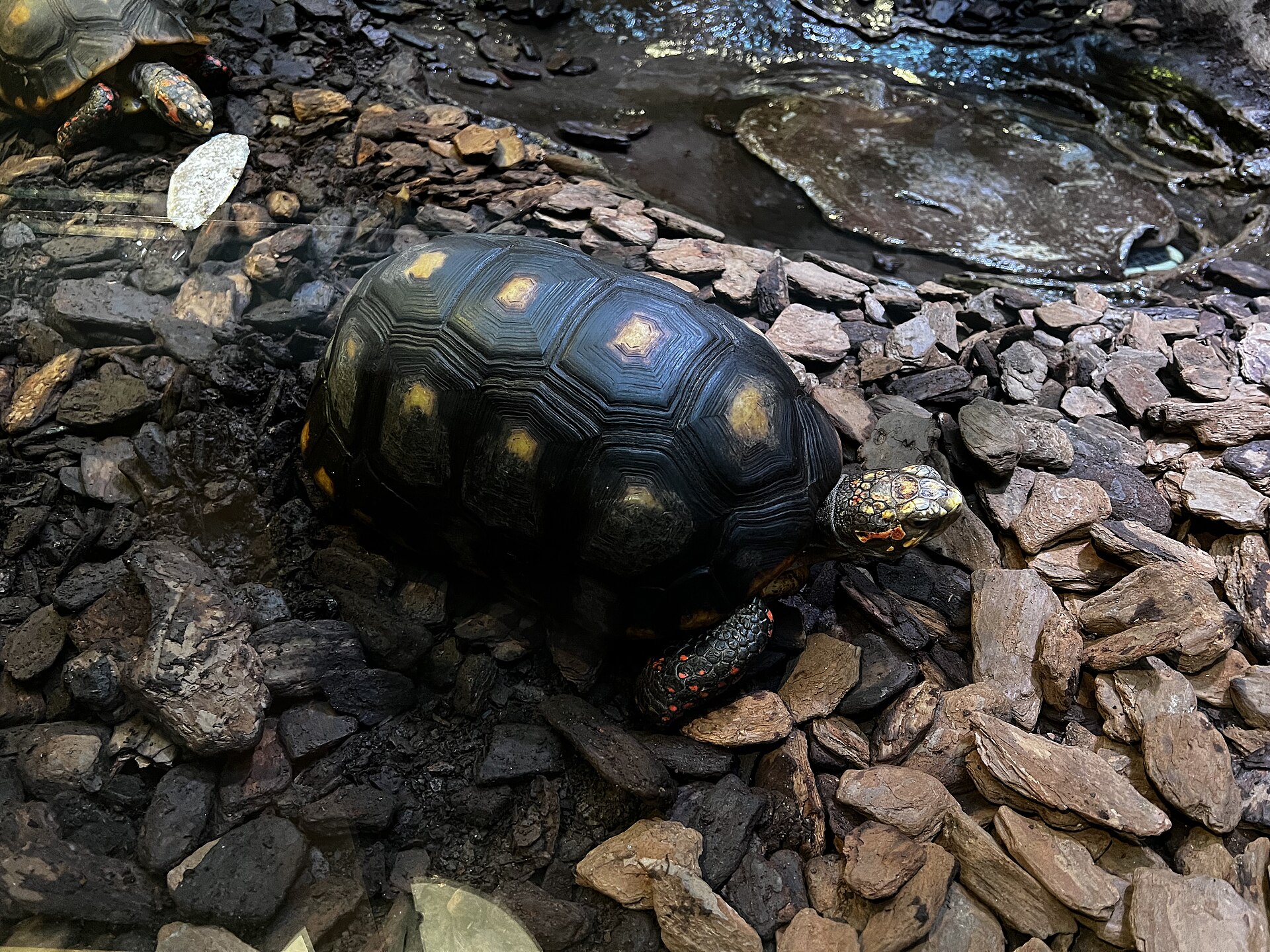 Red-footed tortoise11 to 14 in, 6 × 4 ft
A South American forest tortoise with red scales on its legs. One of the few tortoises that eats fruit and likes humidity, so it suits a planted indoor enclosure.
Needs 70 to 80 percent humidity, not dry heat.Ten gallons of water for every inch of shell, so a grown slider needs a hundred.
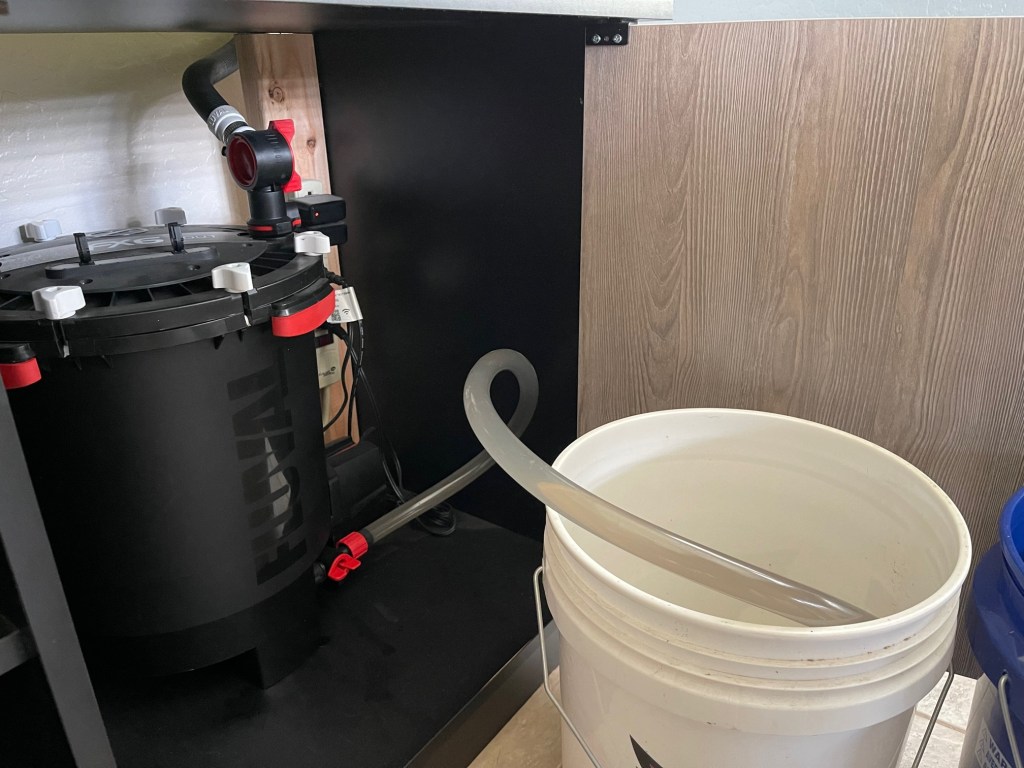
A canister filter rated for two to three times your tank's volume. Turtles are messy.
A basking spot at 90 to 95°F and water at 75 to 80°F, each on its own thermometer.
UVB over the dock, twelve hours a day, replaced every six to twelve months even if it still glows.
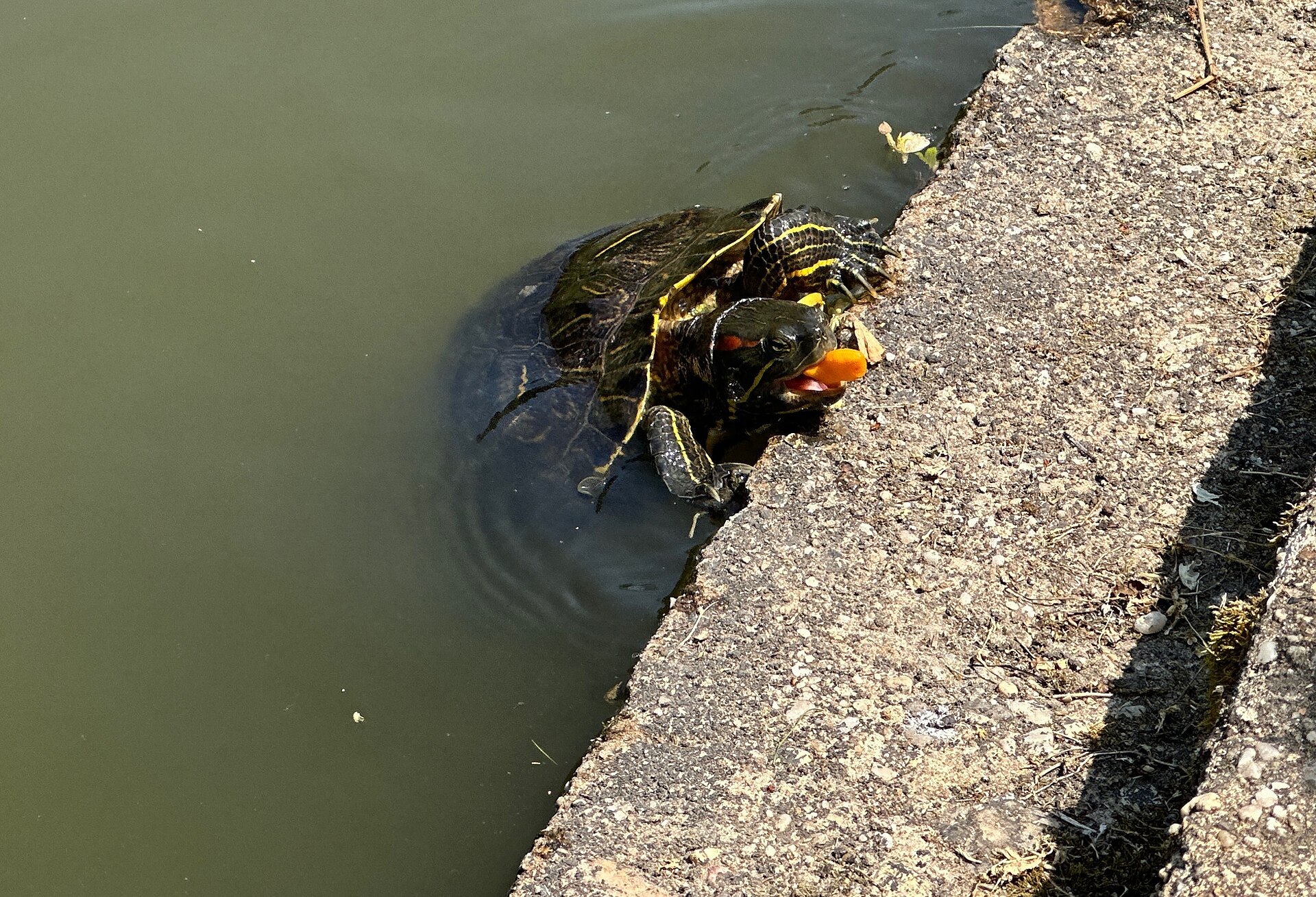
Pellets and leafy greens. Hatchlings eat daily, adults every two or three days.
Shell 8 to 12 in. Lives 20 to 30 years.
A 100-gallon tank with a dry dock, a canister filter and a heated basking spot.
A hatchling this year could still be with you in 2056.
Read the red-eared slider guideFederal law bars the sale of turtles under 4 inches.
Some states ban or restrict particular species. Check yours.
Every turtle carries Salmonella. Wash hands after contact.
A hatchling in a cup grows into a 100-gallon tank.
Not for a child under five, by the CDC's advice, because small children put hands and turtles in their mouths. For older children a turtle is a watching pet, not a holding pet, and an adult does the water changes. Hands get washed after every contact.
A common musk turtle if space is tight: it stays under 5 inches and lives in a 40-gallon tank. A painted turtle if you can run 75 gallons. A Russian tortoise if you have floor space and a sunny window. Sliders are easy too, but they end up at 100 gallons.
At full retail our starter kits run from about $340 for a musk turtle to about $650 for a slider, using sample prices you should check. The animal costs $30 to $300 from a breeder. After that, power and food come to roughly $20 a month.
In most states, no. Wild turtles are protected, carry parasites and are missed by the population they came from. If one is crossing a road, move it to the side it was heading for and leave it there.
Never release it. A pet turtle outdoors either dies or displaces native animals, and in many states release is a crime. Contact a reptile rescue or a turtle and tortoise society; most rehome surrendered animals.
Wild turtles brumate through cold winters. An indoor turtle at steady temperatures has no need to and should not be forced. Russian and Hermann's tortoises can brumate safely with a vet check first, and each species guide says whether to allow it.

Pick the species, read what it needs at full size, then buy the kit once.
Guides are free. Gear earns us a commission.
Browse the shop