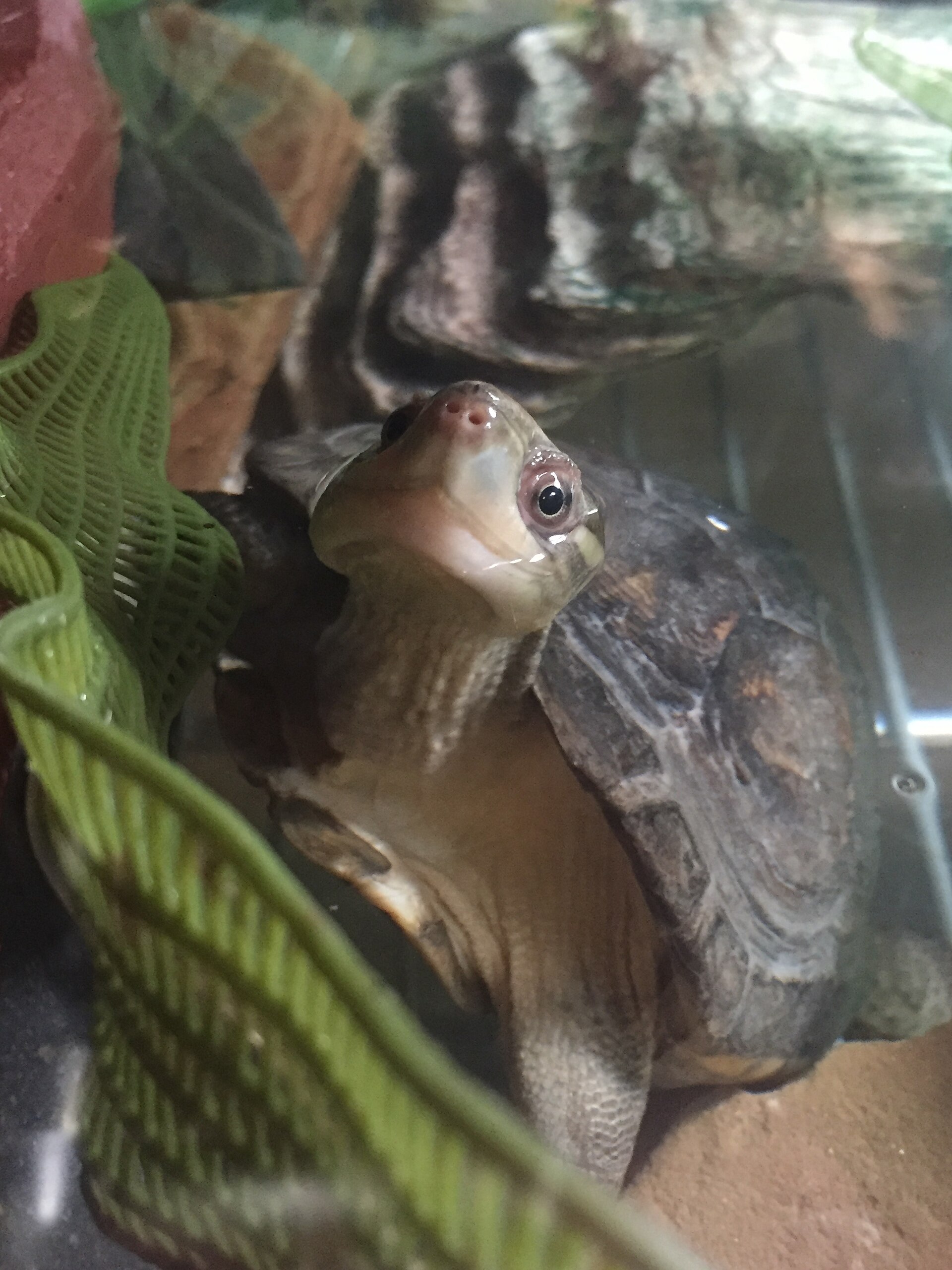
If your turtle has gone still and stopped eating and the room is above 60°F, it is not hibernating. It is sick, or it is cold enough to stop eating but too warm to slow its metabolism, and it is slowly starving. VCA Hospitals calls this pseudohibernation. Warm the tank to its normal numbers today and, if the turtle does not eat within a week, see a vet.
Most turtles should skip winter
Wild turtles brumate because they have no choice. A pet does. VCA Hospitals reports that most reptile vets prefer captive aquatic turtles not to hibernate at all, because the metabolic slowdown suppresses the immune system and any hidden illness surfaces during the cold months. The Merck Veterinary Manual says the same for reptiles generally: hibernation is not recommended unless you are breeding, must never be attempted with an ill animal, and must never be attempted with a tropical species.
Keep awake all winter: red-eared sliders, painted, map, musk and mud turtles, box turtles kept indoors, and every red-footed, sulcata and leopard tortoise, which come from places with no winter and should never be cooled.
Keeping a turtle awake
The turtle reads day length and temperature, so hold both where they were in July.
- Lights on a timer for 12 to 14 hours a day. Shorter days are the main trigger for brumation.
- Water at 75 to 80°F, basking surface 90 to 95°F. A heater behind a guard does the water; check it with a probe thermometer, not the dial.
- Air over the dock at 80 to 85°F. Tanks near a window drop at night, so move the tank or add a ceramic heat emitter on a thermostat.
- Tortoise tables in a cold room need a night-time floor of 65°F or better. A ceramic heat emitter on a dimming thermostat holds it without light.
A turtle that eats, basks and moves in January is doing fine. One that slows down despite correct numbers needs a vet, not a cooler room.
Species that can brumate
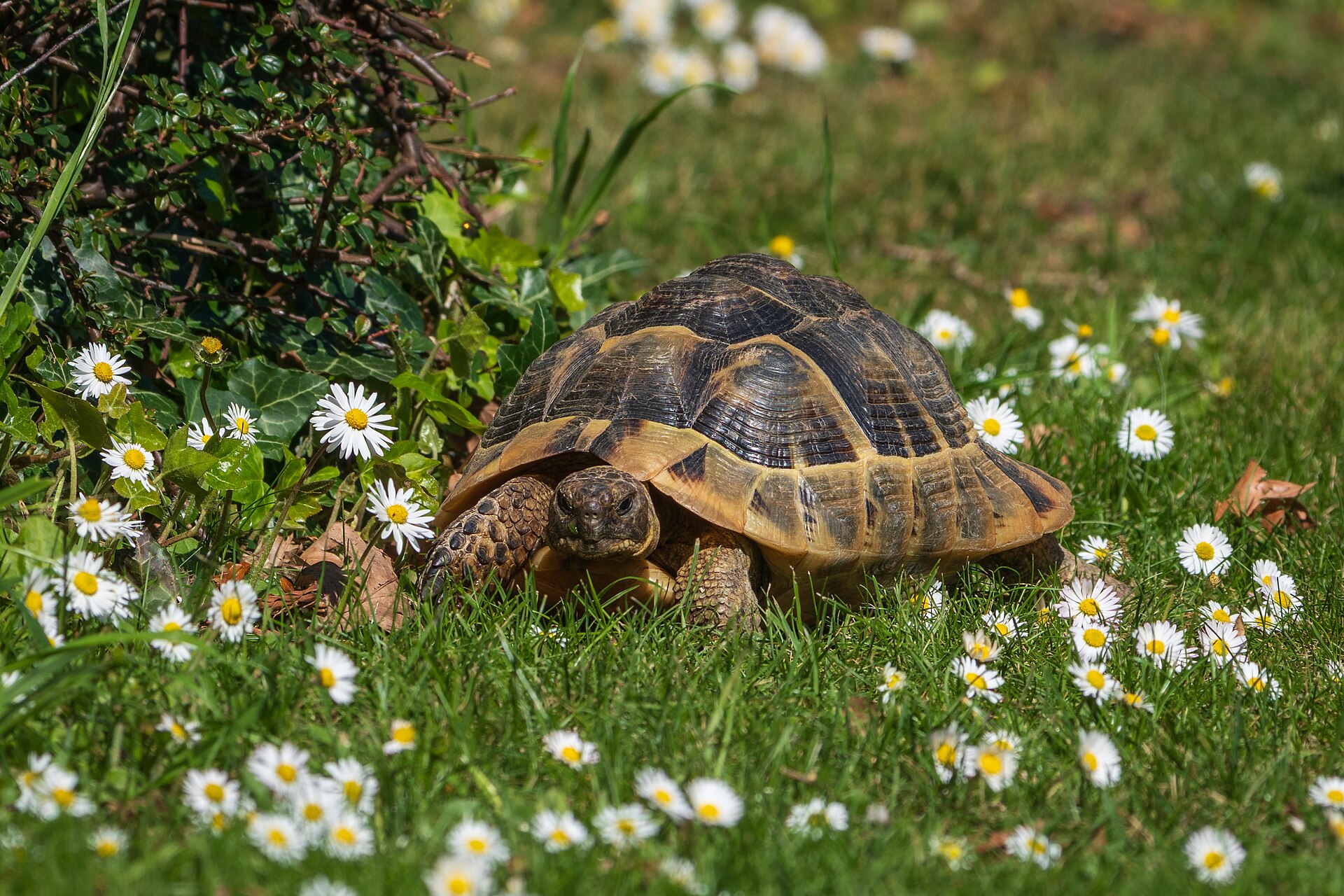
Russian, Hermann’s and Greek tortoises, and box turtles that have spent the summer outdoors, come from climates with a real winter and can be brumated by an owner who is organised about it. The Tortoise Trust’s numbers, which match what most reptile vets use, are these.
| Measure | Number |
|---|---|
| Target temperature | 40°F, never above 50°F or below 32°F |
| Box turtles | 40 to 45°F in deep damp substrate |
| Last meal before cooling | 4 to 6 weeks, so the gut is empty |
| Length | 10 to 12 weeks is what wild tortoises do; 20 weeks is the outside limit |
| Weight loss | About 1% of body weight a month; more means wake it |
| Hatchlings | 6 to 10 weeks at most, and only if healthy and heavy enough |
A fridge dedicated to the job holds 40°F better than any garage. Weigh the animal every two weeks on a kitchen scale and keep a log. A 1,600-gram tortoise should lose about 16 grams a month. If it urinates, it has lost the water it was relying on: wake it, soak it and keep it up for the rest of the winter.
Do not brumate if
- The animal has been ill, lost weight or had a runny nose or swollen eyes in the past year.
- It has not had a vet check and a stool test for parasites in the autumn. VCA Hospitals treats both as a condition of brumating at all.
- It is in its first year, or you are not sure of the species. Hinge-back tortoises and all tropical species must stay warm.
- You cannot hold 40°F. A room that swings between 50 and 60°F is the worst of both worlds.
A tortoise that fails any of these is overwintered instead: kept awake, lit and fed, and never allowed below 45°F at night.
Waking up
Let the box warm to room temperature over a few hours, then soak the animal in 1 inch of lukewarm water for 20 minutes to get it drinking. Put it under its basking lamp and UVB. It should eat within a week. If it has not eaten after 7 days, or its eyes stay shut or it has a nasal discharge, that is a vet visit. The vet will weigh it, check the mouth and eyes, and probably give fluids and run bloodwork for post-hibernation anorexia, which is treatable when caught early.
What to buy
A digital probe thermometer for the water and one for the basking surface, because winter is when the numbers drift. An outlet timer to hold the day at 12 to 14 hours. For a tortoise table, a ceramic heat emitter on a dimming thermostat for the nights. The vet directory lists reptile vets by state.
Sources
- VCA Hospitals, Owning an Aquatic Turtle
- VCA Hospitals, Box Turtles, Problems
- Merck Veterinary Manual, Providing a Home for a Reptile
- Merck Veterinary Manual, Management of Reptiles
- Tortoise Trust, Safer Hibernation and Your Tortoise
Written from these and checked three times before publishing. Not veterinary advice; a reptile vet who can see the animal beats any page.