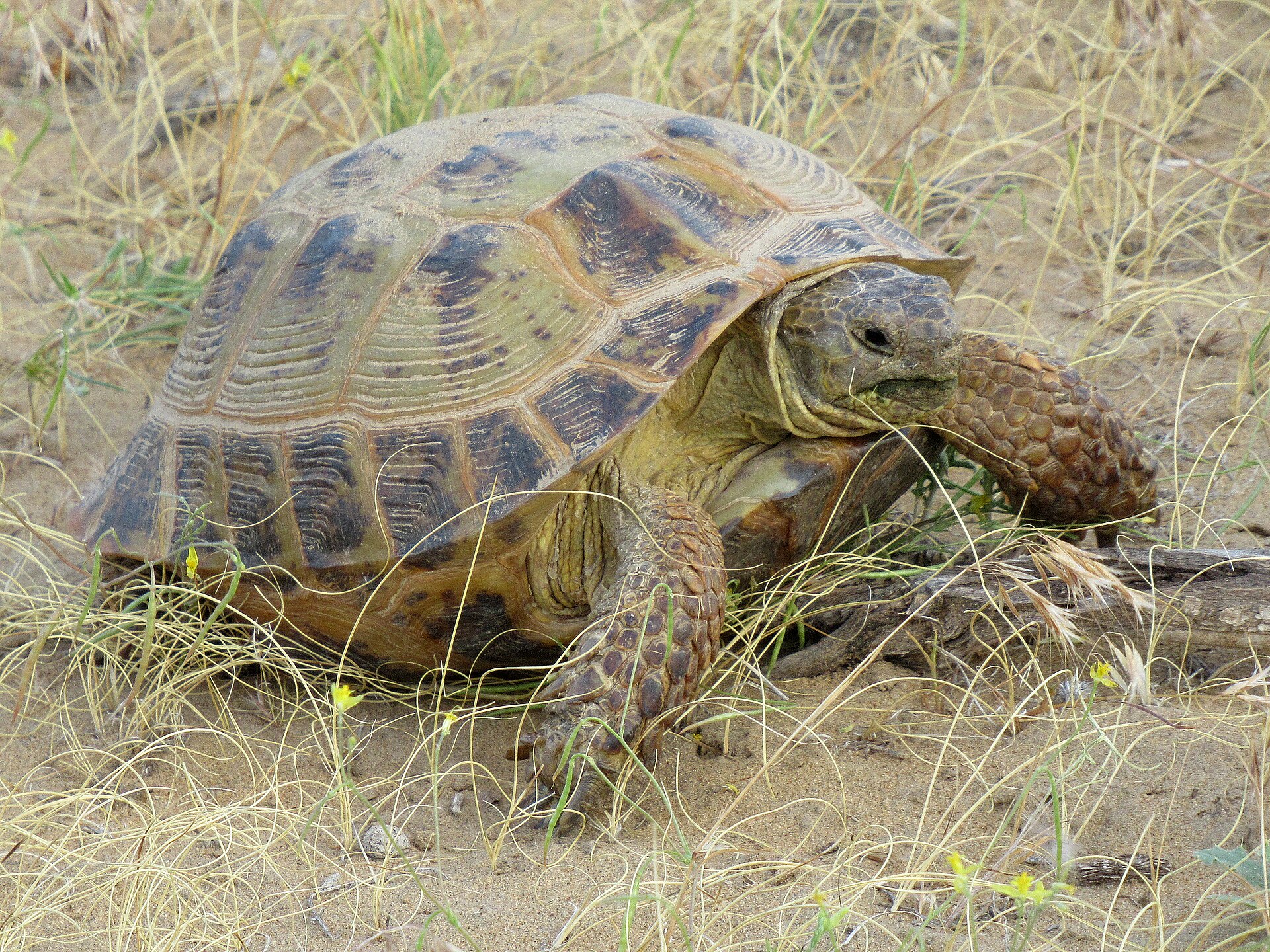
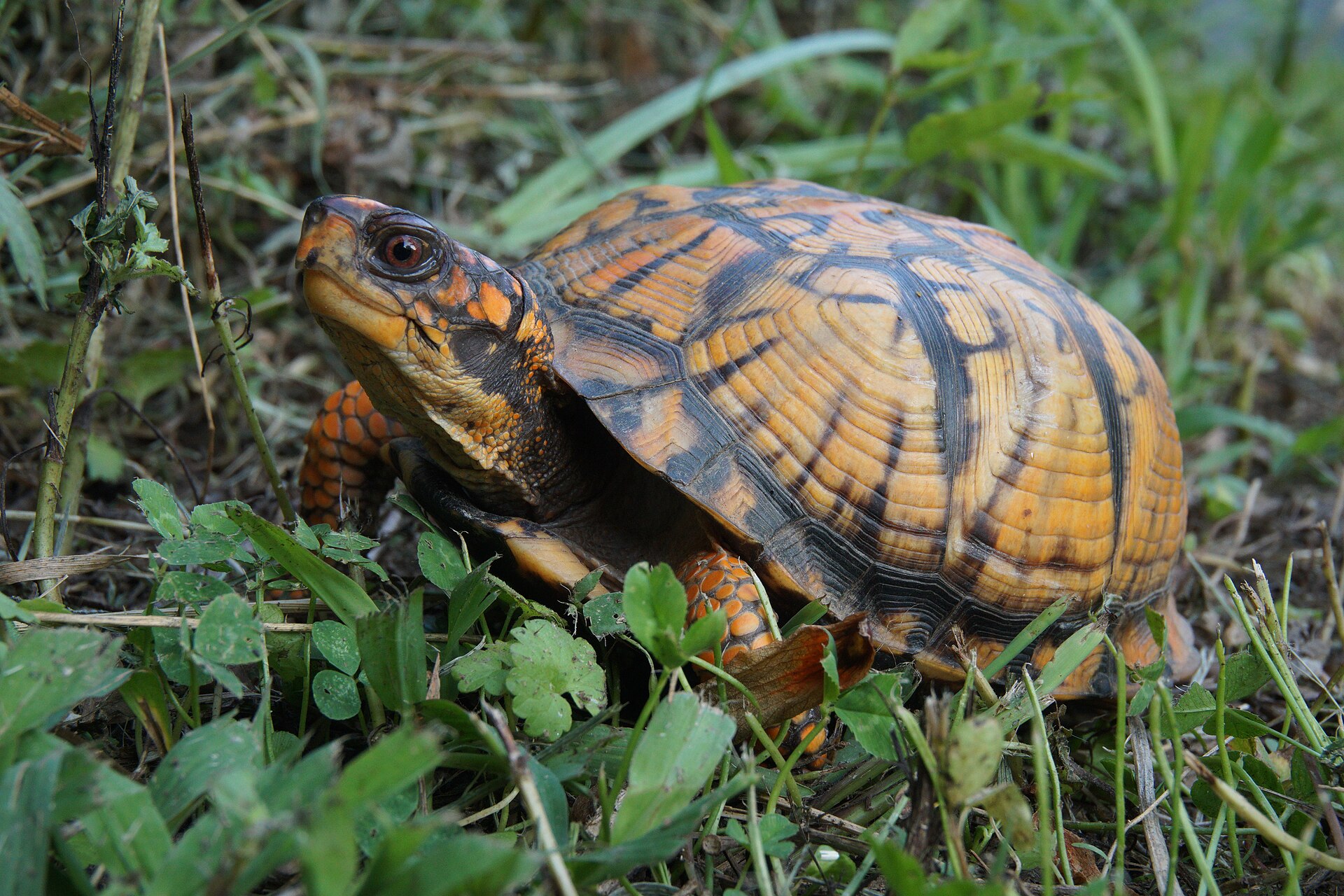
4.5 to 6 inAdult shell length
50 years or moreLifespan with good care
4 × 2 ftFloor space at full size
LandNeeds an enclosure or a pen
Protected from collection across much of its range. Captive-bred only.
The enclosure at full size
An outdoor pen in a climate like Missouri or Texas is the best home: walls at least 20 inches tall with a barrier sunk 10 inches to stop digging, shade, leaf litter and a shallow pool. Indoors, 4 by 2 ft is the smallest enclosure that works for one adult, with several inches of coconut coir, peat or topsoil under a layer of sphagnum or leaf litter, kept damp. Two hides and a water dish wide enough to sit in. A hygrometer in the enclosure, not on the wall.
Temperatures
Basking spot 85 to 90°F, warm side 80°F, cool side around 70 to 75°F. Do not let the enclosure fall below 75°F in winter unless you mean to brumate. Humidity 60 to 80 percent, with misting once or twice a day.
Light
A mercury vapor bulb, or a UVB tube with a separate heat lamp, over the warm end for 12 to 14 hours a day, replaced every six to twelve months. Outdoor sun does the job better than any bulb.
Diet
An omnivore that leans toward plants as it ages. Earthworms, nightcrawlers, crickets, superworms and the odd slug, with squash, sweet potato, carrots, apple, berries, red leaf lettuce and dandelion. Dust food with calcium two or three times a week and leave cuttlebone in the pen. Hatchlings eat every other day, adults two or three times a week.
Handling
Shy and easily stressed. Many learn to recognise the person who feeds them, but they do not enjoy being held. Keep handling to health checks and never let one roam the house. Wash hands after contact.
The law
The federal 4-inch rule applies to sales. The Missouri Department of Conservation bars collecting or selling box turtles. Virginia's Department of Wildlife Resources banned keeping them as pets from July 2021. Florida's FWC limits possession to two native box turtles, and Louisiana's wildlife department also caps take. Never collect one from the road. Buy captive-bred with a hatch record.
Sources
Where to go next
Read the 4-inch rule, explained before buying any turtle, and the basking, heat and UVB guide before the first day home. Nothing here replaces a reptile vet; the directory lists them by state, and the law pages cover your state.